- contact@TBSmelbourne.com.au
- 03 9968 6999
226 Warrigal Road Camberwell 3124
226 Warrigal Road Camberwell 3124

Therapeutic Brain Stimulation-Melbourne is a clinical and educational group that provides outpatient rTMS treatments, provides outpatient Esketamine Treatments, and also provides training & education in brain stimulation therapies. Brain Stimulation Therapies are an important component of the evidence-based treatment modalities for various mental health disorders.
Read More


Psychiatrist



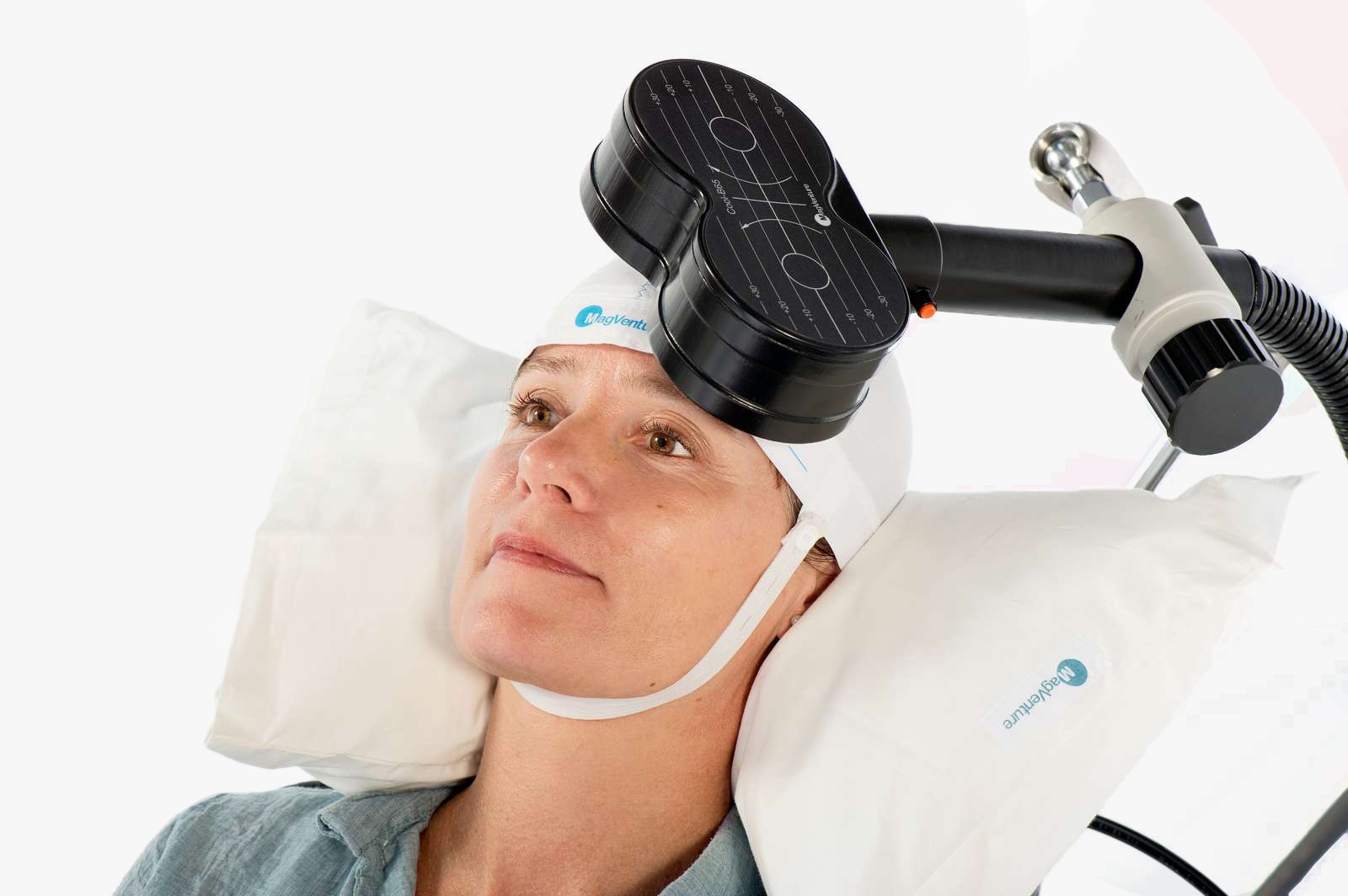
Welcome to TBS Melbourne, your destination for Transcranial Magnetic Stimulation (TMS) therapy in Melbourne and Victoria. At TBS Melbourne, we specialise in providing TMS treatments that may help individuals manage various mental health challenges, including depression, anxiety, and other mood disorders.
Transcranial Magnetic Stimulation (TMS) is a non-invasive, evidence-based treatment that uses magnetic fields to stimulate nerve cells in the brain. This therapy has demonstrated effectiveness in research for people who haven’t responded well to traditional treatments such as medication and psychotherapy.
TMS therapy in Melbourne does not involve anaesthesia or surgery. Patients remain awake, alert, and comfortable throughout the procedure, allowing them to resume their regular activities soon after each session. This makes it a generally well-tolerated and convenient option for many people. ...
TMS belongs to a broader field known as transcranial brain stimulation or therapeutic brain stimulation, which encompasses a range of techniques aimed at supporting healthy brain function through gentle and targeted stimulation. TMS is designed to modulate neural activity and may assist in improving mental health outcomes when clinically appropriate.
Access to TMS therapy is usually arranged through a referral from a general practitioner or treating psychiatrist, ensuring that each patient’s treatment is clinically appropriate and carefully coordinated.
Why Choose TBS Melbourne?
At TBS Melbourne, we offer personalised care and evidence-based TMS treatments. Our state-of-the-art TMS clinic is equipped with advanced TMS systems, enabling precise stimulation of brain regions involved in mood regulation. Each treatment plan is tailored to your individual needs and goals.
Our team of experienced professionals helps you work towards improved mental health and wellbeing. TBS Melbourne also contributes to ongoing education and training, helping maintain high standards across TMS clinics in Australia.
With a focus on patient safety, innovation, and comfort, TBS Melbourne continues to be a trusted provider of Australian magnet therapy and transcranial stimulation.
Benefits of TMS Treatment for Depression
TMS therapy is used as a treatment option for people living with depression, particularly when other approaches such as medication or counselling have not provided adequate results. It works by stimulating specific areas of the brain involved in mood regulation, helping improve emotional balance and overall well-being. While individual responses can vary, many people find that TMS contributes to a reduction in depressive symptoms and supports their recovery journey.
● Non-Invasive: TMS therapy does not require surgery or medication, making it a non-invasive treatment option for many patients
● Effective: Research indicates that TMS treatment can reduce symptoms of depression and other mood disorders in some individuals.
● Minimal Side Effects: Unlike medications, TMS therapy is generally well-tolerated and allows you to continue with your daily activities.
● Long-Lasting Results: Some patients experience improvement in their symptoms after completing a series of TMS sessions.
Our TMS Clinic in Melbourne Offers Outcome-Driven Therapy
Located in the heart of Melbourne, our TMS clinic provides a comfortable and supportive environment for your treatment. We understand that every patient is unique, and our personalised approach ensures that your TMS therapy is tailored to meet your individual needs.
Our treatment environment is calming and private, allowing you to focus on your wellbeing. Each TMS room is equipped with advanced TMS machines that deliver targeted and consistent stimulation.
We also emphasise ongoing monitoring and communication throughout your therapy. Our psychiatrists and clinicians regularly review your progress and adjust protocols where necessary to help achieve the best possible outcomes. This commitment to care and safety aligns with the standards followed by leading TMS clinics in Australia.
Effective TMS Therapy at TBS Melbourne
Our TMS therapy sessions typically last about 20–25 minutes and are conducted five times a week for 4–6 weeks. During the session, you can relax while the TMS device delivers gentle magnetic pulses to stimulate targeted areas of your brain.
Because TMS therapy is non-invasive and requires minimal recovery time, many patients are able to fit sessions into their daily routines. You can drive, return to work, or continue your usual activities after each appointment.
Our professional and highly trained TMS nurses fully supervise every session to ensure comfort and precision. If you are searching for transcranial magnetic stimulation in Melbourne, our clinic provides professional and evidence-based care dedicated to your wellbeing.
We can also advise when TMS may be combined with other therapies if clinically appropriate.
Overcome Depression with TBS Melbourne
If you or someone you care about is experiencing depression or another mental health condition, TMS therapy at TBS Melbourne may be an appropriate treatment option. Contact us to arrange a consultation and learn more about how TMS treatment may help improve your quality of life.
At TBS Melbourne, every treatment is guided by professional training and genuine care. We take the time to explain each step of the process and address any questions, helping patients feel confident and supported throughout their therapy.
Whether you are exploring transcranial stimulation, Medicare-funded TMS in Melbourne, or simply wish to understand the potential benefits of TMS therapy, our team is here to provide clear information and guidance.
TBS Melbourne is your trusted partner in mental health, providing safe and evidence-based TMS therapy across Melbourne and Victoria. Combining clinical knowledge, modern TMS technology, and a supportive approach, our team delivers individualised care that encourages better mental wellbeing. If you are exploring whether TMS therapy may be suitable for you, your GP or treating psychiatrist can help guide the next steps.
No, TMS treatment is offered as an outpatient treatment. TMS treatment does not require sedation or anaesthesia, and usually there is no recovery time after a session of treatment.
We can also offer Medicare-funded TMS treatment based on Medicare criteria. There is a small out-of-pocket fee for each treatment.
On some occasions, based on clinical presentations, severity of symptoms, and specific relevant circumstances, the recommendation for inpatient TMS may be made. If this is the case, the Psychiatrist will discuss this with you.
You would need your treating Psychiatrist or GP to provide a referral, including a summary of the clinical condition and treatments received, and a request for TMS. Your treating doctor can make a referral directly through the referral form on the website or email or fax it to the clinic.
Once the referral has been triaged and accepted, the clinic staff will get in touch with you to organise an initial assessment consultation with a TMS Psychiatrist. The initial assessment consultation will involve a mental health assessment, suitability for TMS treatment and safety screening to rule out any specific contraindications or precautions for the TMS treatment. If found suitable for TMS treatment, a mapping appointment will be booked, after which the treatment sessions will be organised.
TMS is generally well tolerated. Some people feel a tapping sensation on the scalp during treatment, or mild discomfort at the stimulation site, especially in the first few sessions. These sensations usually reduce as treatment continues.
Yes, in most cases, you can continue taking your prescribed medications. Your psychiatrist will review your current treatment plan to ensure safety and coordinate your medication management during TMS therapy.
Response times vary. Some people notice improvement after the first 1–2 weeks, while others may see benefits later in the treatment course. Consistency with sessions and following your psychiatrist’s recommendations are key to the positive outcomes.
Yes. If symptoms reappear after a successful course of TMS, booster or maintenance sessions can be arranged to help sustain the benefits. Your psychiatrist will discuss the best approach based on your clinical response.
Research shows that TMS is effective for treatment-resistant depression and other approved indications. Many patients experience significant symptom improvement or full remission, particularly when combined with ongoing psychiatric care and therapy.